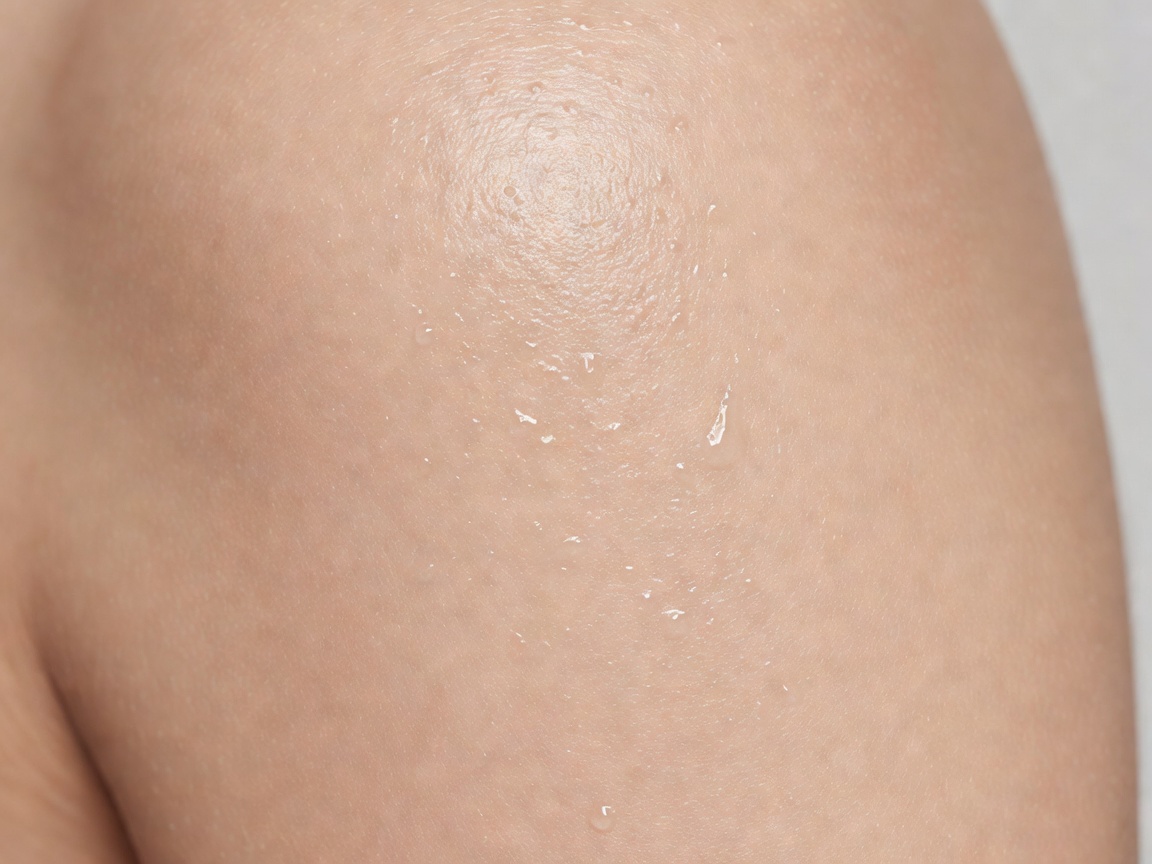
We often think that treating acne requires stripping the skin of oil. But in reality, harsh cleansers, over-exfoliation, and a lack of moisture are some of the primary reasons adult acne persists.
Your skin’s barrier, or stratum corneum, acts as a protective shield. When it is healthy, it keeps moisture in and bacteria out. When it is compromised, the opposite happens.
The Vicious Cycle of Stripping Your Skin
When you use strong acids and scrub your face aggressively, you create micro-tears and disrupt your skin's acid mantle.
- Increased Oil Production: When your skin feels dry and stripped, it signals the sebaceous glands to produce even more oil to compensate, leading to more clogged pores.
- Inflammation: A damaged barrier allows irritants and acne-causing bacteria (P. acnes) to penetrate more deeply, causing inflammation and redness.
- Slower Healing: Blemishes take much longer to heal and are more likely to leave behind hyperpigmentation when the skin is dehydrated.
How to Repair a Compromised Barrier
If your skin feels tight, looks red, or stings when applying products, it's time to pause the active ingredients and focus on repair:
1. Stop All Exfoliants: Take a break from AHAs, BHAs, and physical scrubs for at least two weeks.
2. Use a Gentle Cleanser: Switch to a pH-balanced, non-foaming cleanser like our Sage & Oat Purifying Cleanser that removes dirt without stripping lipids.
3. Prioritize Hydration: Look for ingredients that mimic and support your natural barrier, such as ceramides, squalane, and oat beta-glucan.
Reintroducing Actives Safely
Once your barrier is strong again, you can slowly reintroduce botanical spot treatments like Willow Bark or Tea Tree oil. Always apply them thoughtfully and monitor your skin's response.